
Boutique hotels where history is revived through design and restoration
Buildings with Soul: Restored Architectural Gems
By: Domus Selecta
Each of these historic buildings holds centuries of stories within its walls, bearing witness to moments that shaped cities and cultures. Today, thanks to careful restorations and design projects that respect their essence, these spaces are coming back to life.
Casa de la Luz, Mexico City
A hidden colonial treasure within the city’s history
Among the streets of Mexico City’s historic center stands a building that has witnessed centuries of events: from the first hospital founded by Hernán Cortés in 1523, to the historic encounter between Moctezuma Xocoyotzin and the Spanish conquistador. Listed by INAH as a historic monument, Casa de la Luz remains in a place steeped in history and memory.
.thigh.jpg)
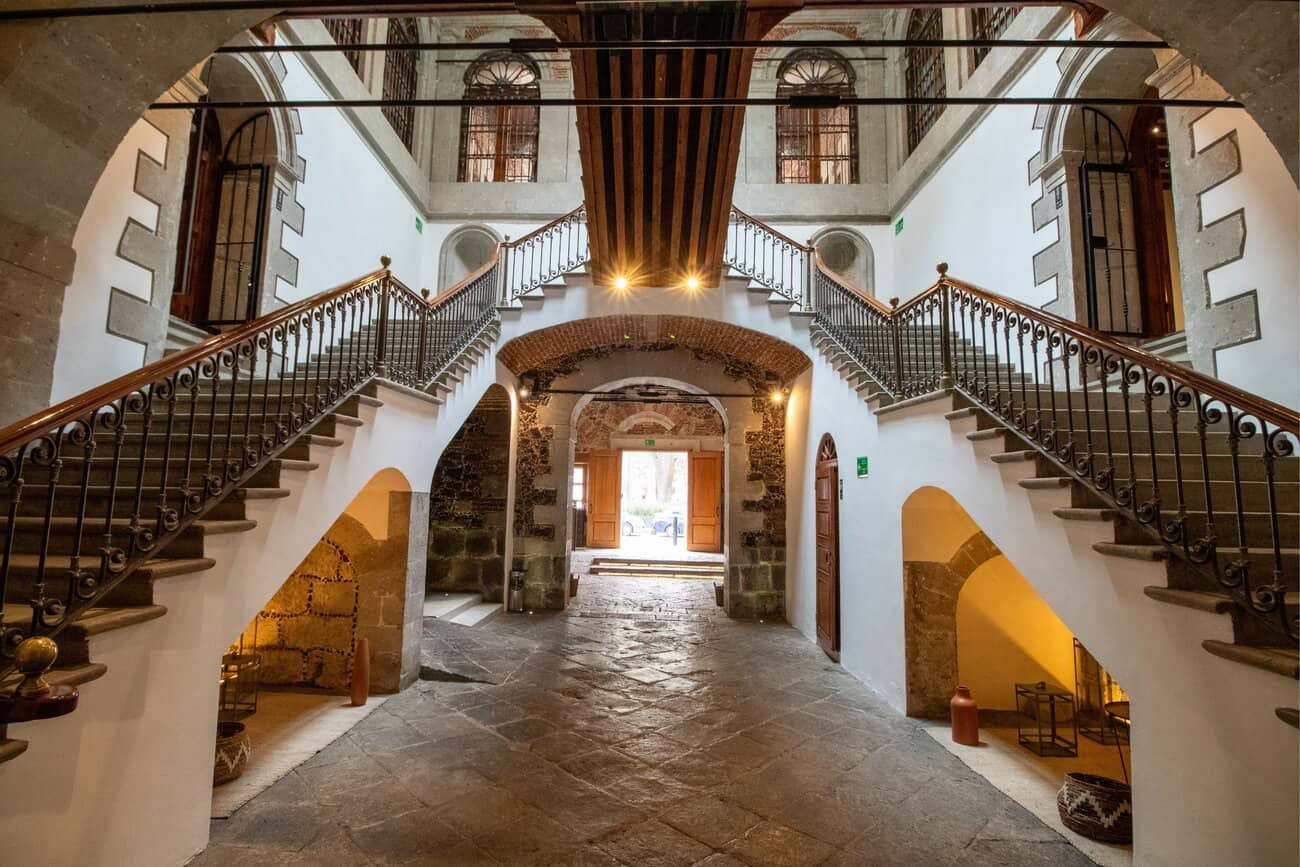
For years, its walls stood in silence until a careful restoration brought back its original splendor. Behind its discreet façade, a space is revealed where the colonial past meets contemporary sensibility, showcasing architectural richness that had remained hidden for decades.
The renovation project focused on preserving the essence of the building: traditional construction techniques and vernacular materials, domes that filter light in an almost sacred way, and a striking staircase with wrought-iron balustrades that seem to come alive with every ray of sunlight. Every intervention was designed to highlight the original elements, preserving the authenticity of the place while integrating the modern comforts of a boutique hotel.
.thigh.jpg)
.thigh.jpg)
Today, Casa de la Luz offers an experience that blends history and design: bright rooms with colonial charm, a rooftop with a first-class culinary offering, and spaces that invite calm and contemplation. It is a retreat where past and present coexist in harmony, and where every detail serves as a reminder that you are staying in a building with a historic soul.
Tomtom Suites, Istanbul
A luxury retreat among Istanbul’s historic palaces and consulates
In the vibrant heart of Istanbul, Tomtom Suites stands as a silent witness to more than a century of Ottoman and multicultural history. Originally built in 1901 as the Soeurs Garde-Malades Apartment, the building was part of an annex to the French Palace reserved for Franciscan nuns, and later housed Levantine families and high-ranking diplomats who shaped the history of the consular district.
.thigh.jpg)
For decades, the structure preserved its authenticity among palaces, consulates, and streets that still retain the grandeur of the early 20th century. Without losing its essence, the building was transformed at the beginning of the 21st century through a meticulous restoration project, recovering its historic character while incorporating the contemporary comfort expected of a luxury hotel.
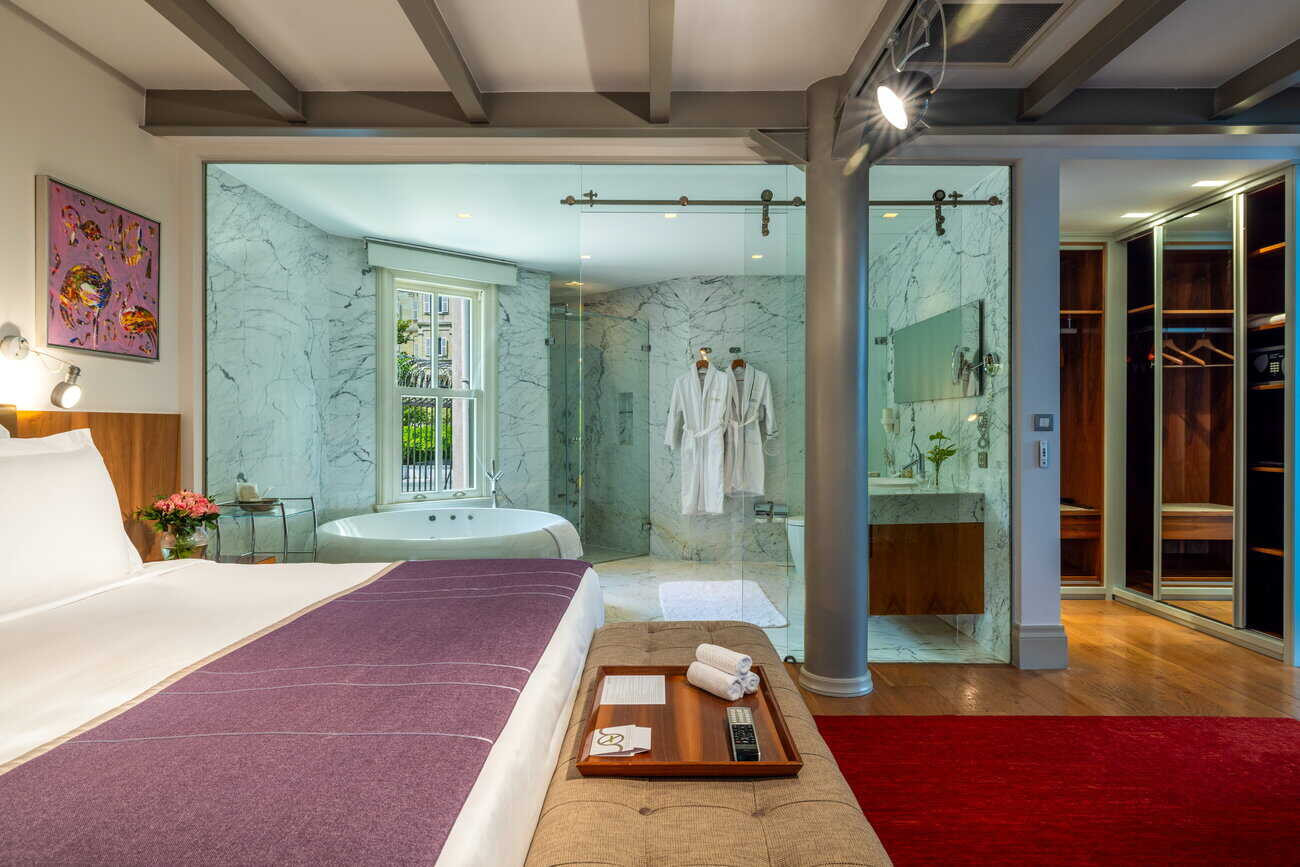
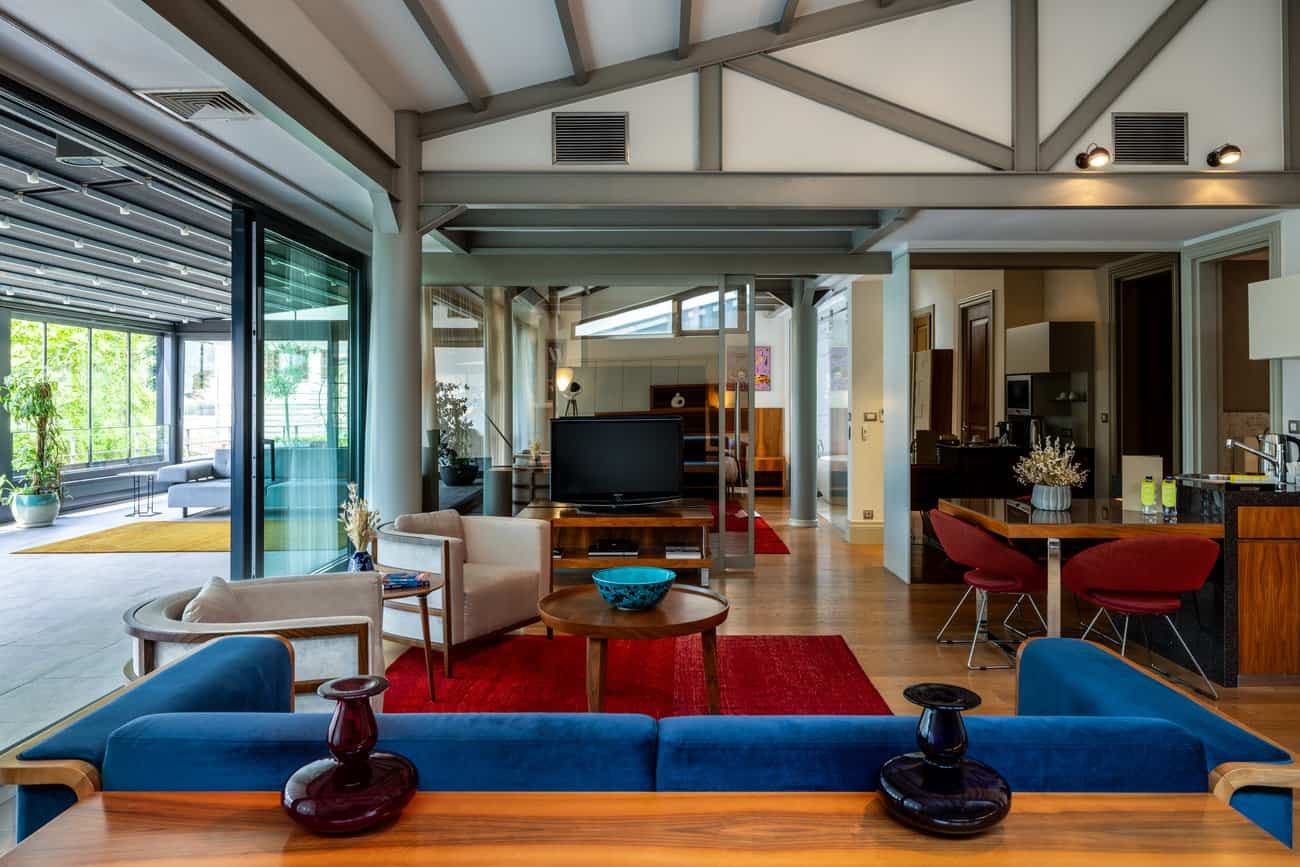
Each suite reflects this balance between past and present: high ceilings, solid wood floors, and custom-designed furniture coexist with contemporary artworks and traditional pieces such as handcrafted carpets and ceramics, giving each room a unique character that breathes history. Natural light streaming through the windows highlights the original architectural details, while modern design elements enrich the guests’ sensory experience.
.thigh.jpg)
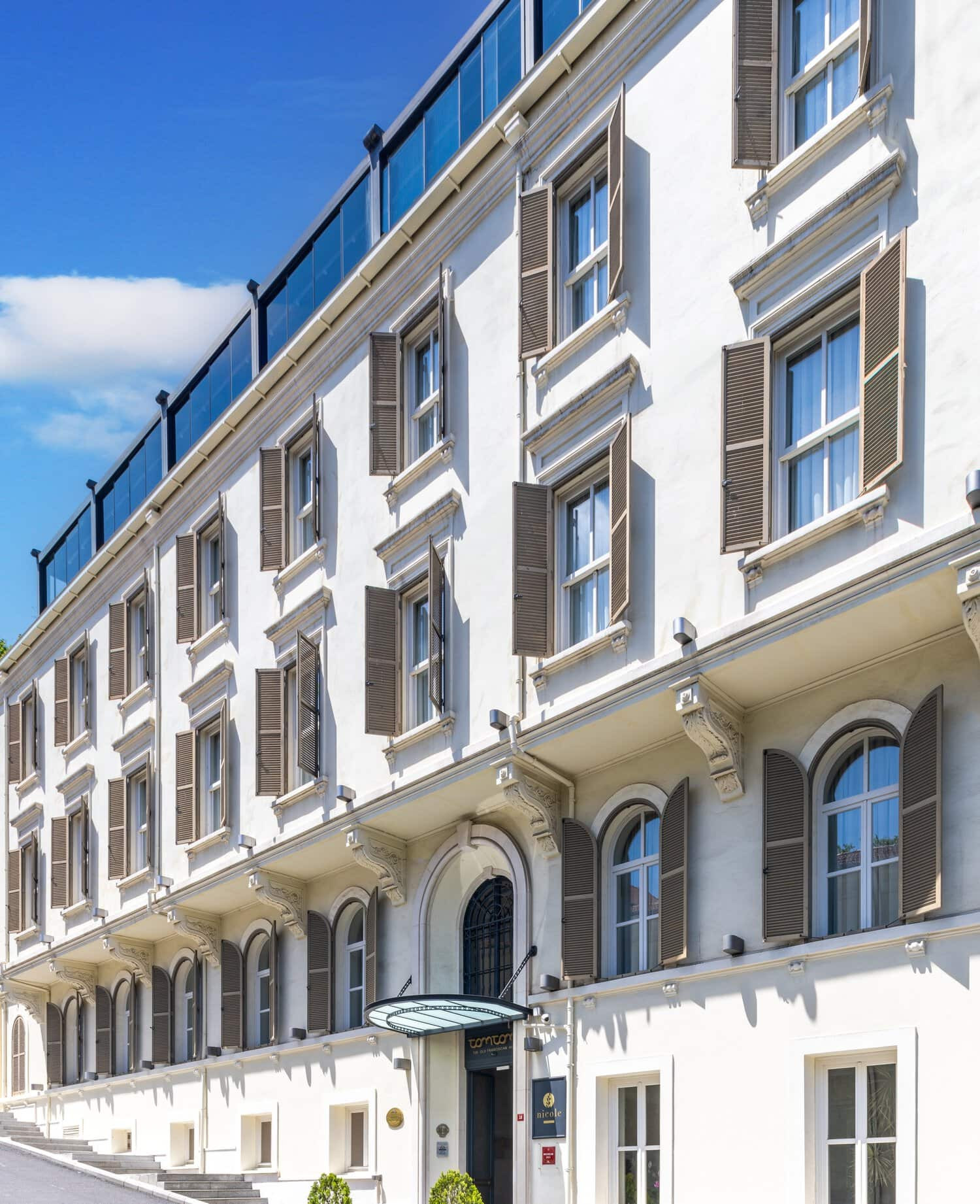
Today, Tomtom Suites offers more than just accommodation—it is a journey through Istanbul’s history expressed through luxury and elegance. Its rooftop restaurant, Nicole, awarded a Michelin star, completes the experience, turning every stay into a meeting point between Ottoman heritage, cosmopolitan culture, and contemporary design.
Antica Torre Via Tornabuoni, Florence
A medieval tower that still tells stories
In the heart of Florence stands a tower that has witnessed centuries of history, politics, and art. Built in the 13th century by the Guelph Ruggerini family, the tower later passed to the Gianfigliazzi, an influential family of bankers and merchants who inhabited it for nearly 500 years. During that time, the building became a meeting point for Florentine nobility, and its significance even extended into the pages of Dante Alighieri’s Divine Comedy.
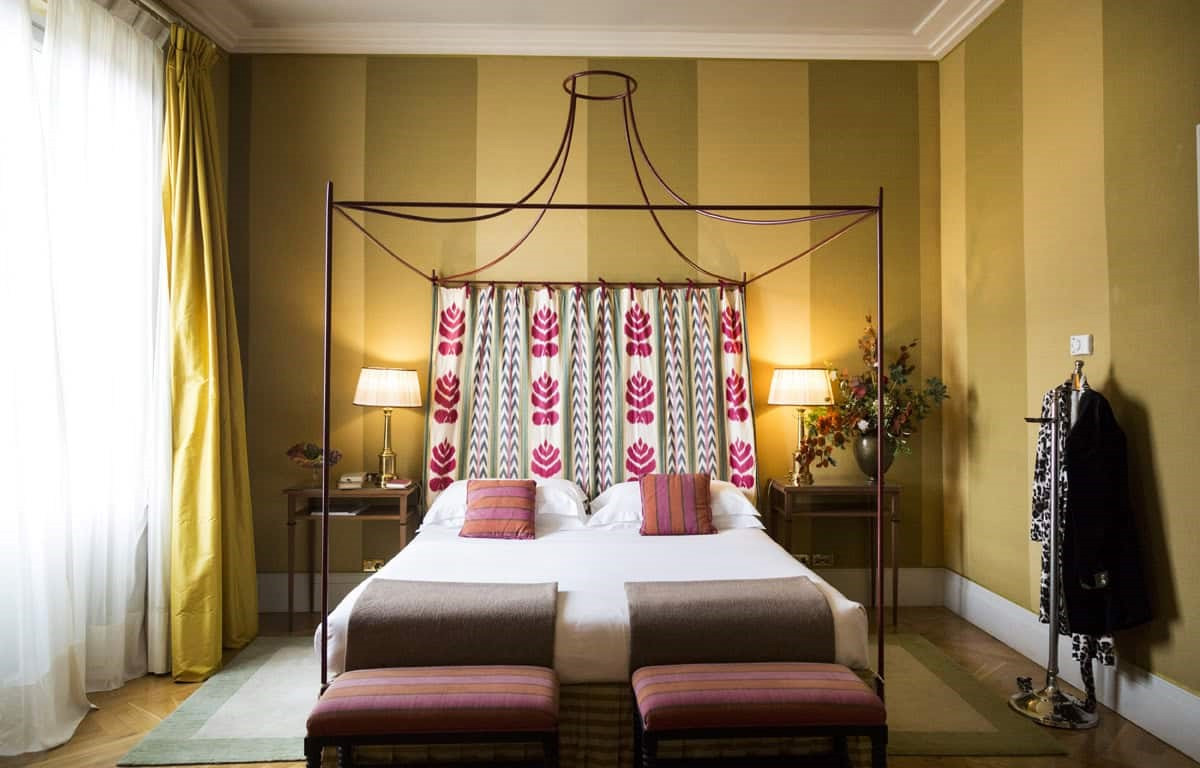
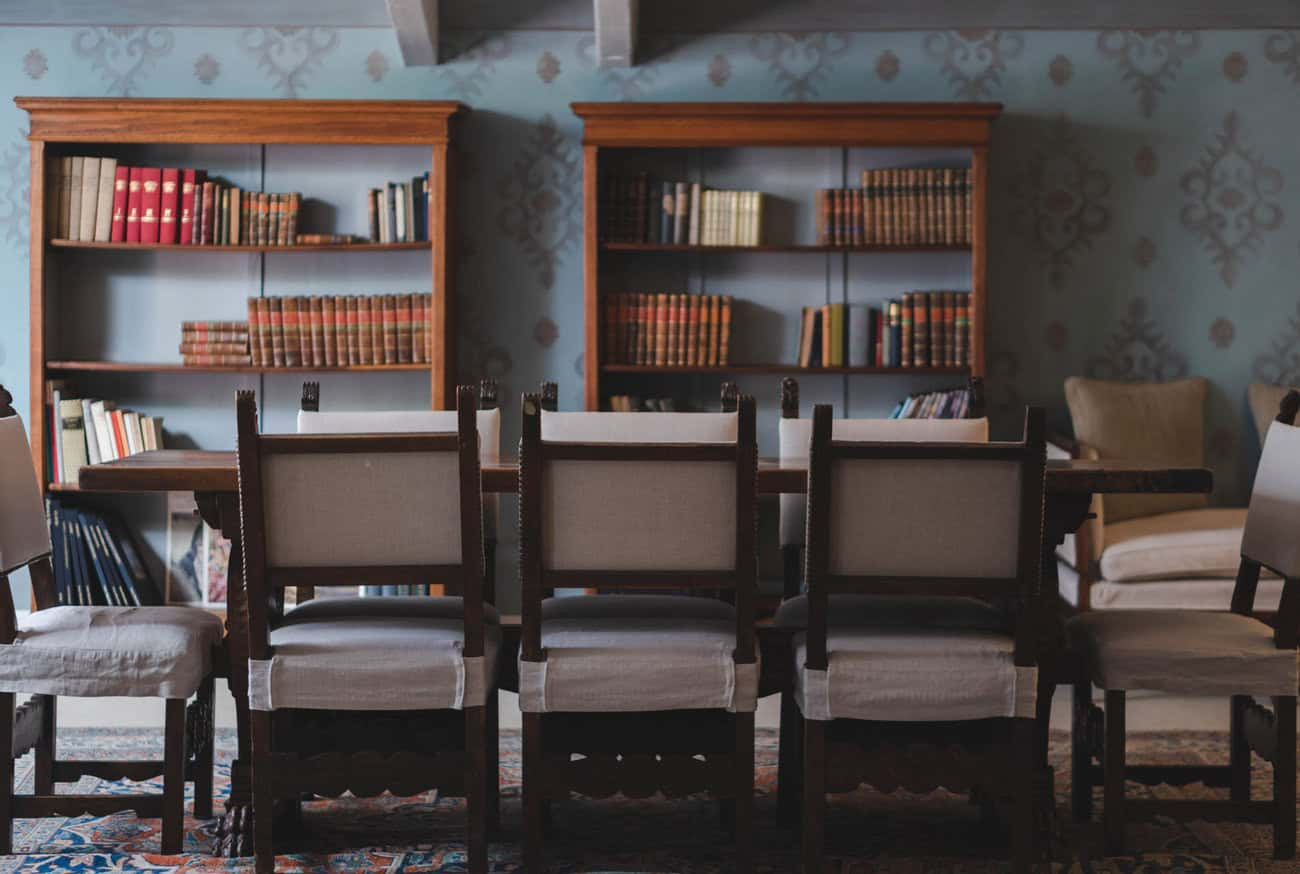
.thigh.jpg)
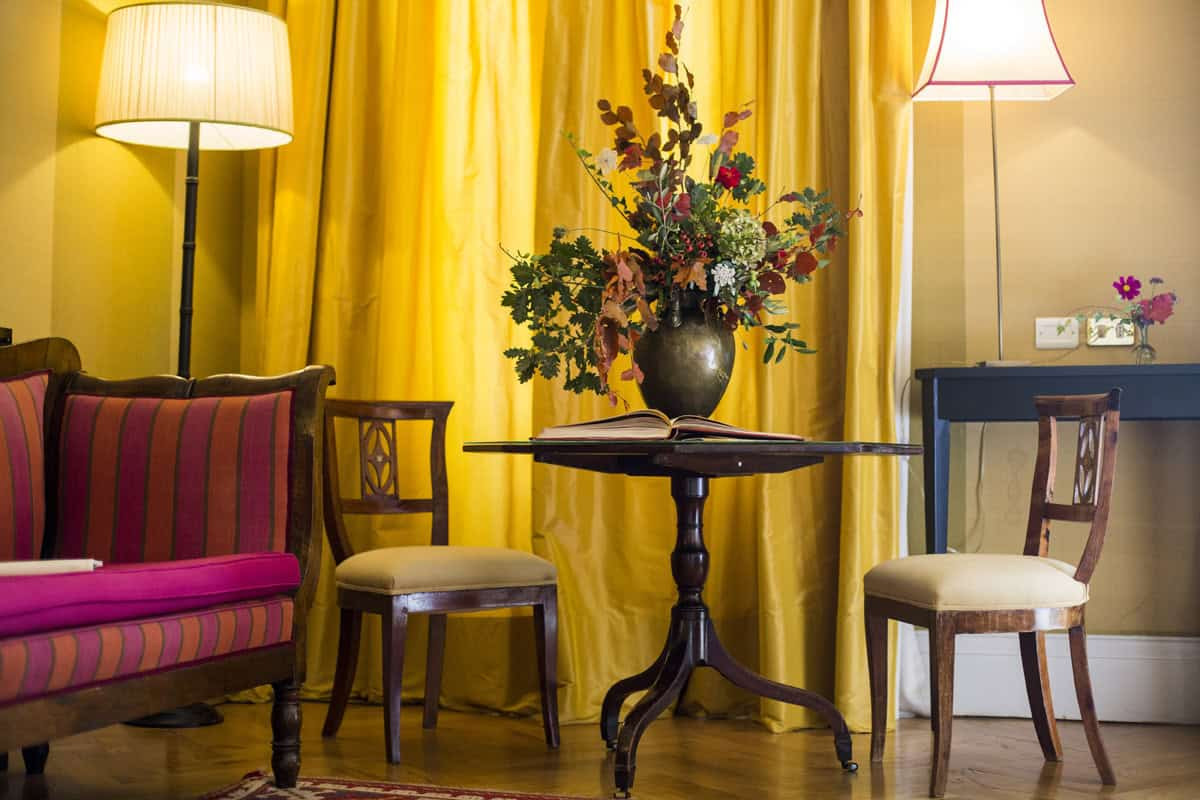
After the extinction of the Gianfigliazzi family in the 18th century, the tower continued to change hands and, in the 20th century, operated as a boarding house frequented by aristocrats, artists, and writers. Closed after World War II, it was reborn in 2001 as a luxury historic residence, restoring its original architecture and offering a unique experience in the center of Florence.
The restoration of the building focused on preserving its medieval and Renaissance essence: hand-painted walls, restored parquet floors, and brocade details coexist with modern canopy beds and design elements that update Tuscan classicism without losing its tradition.
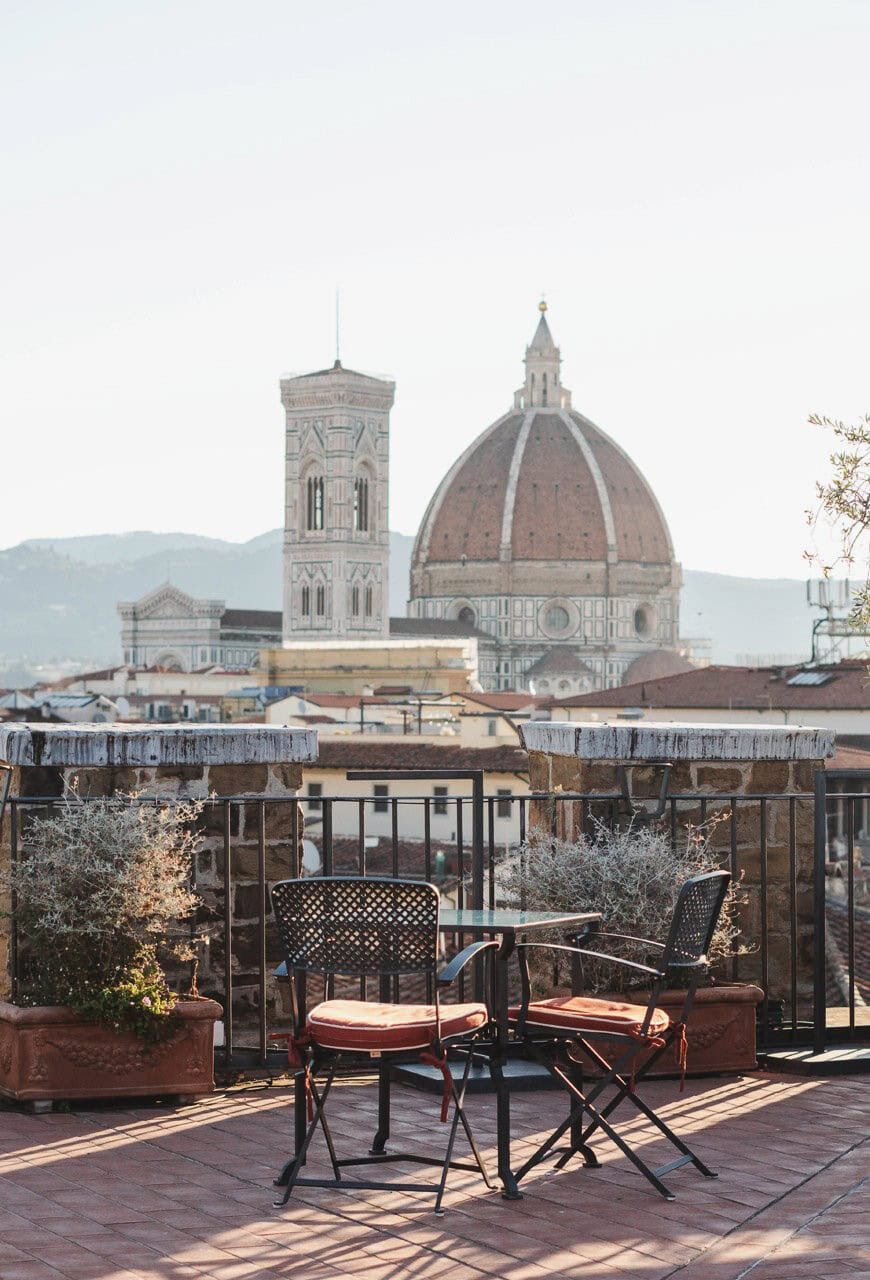
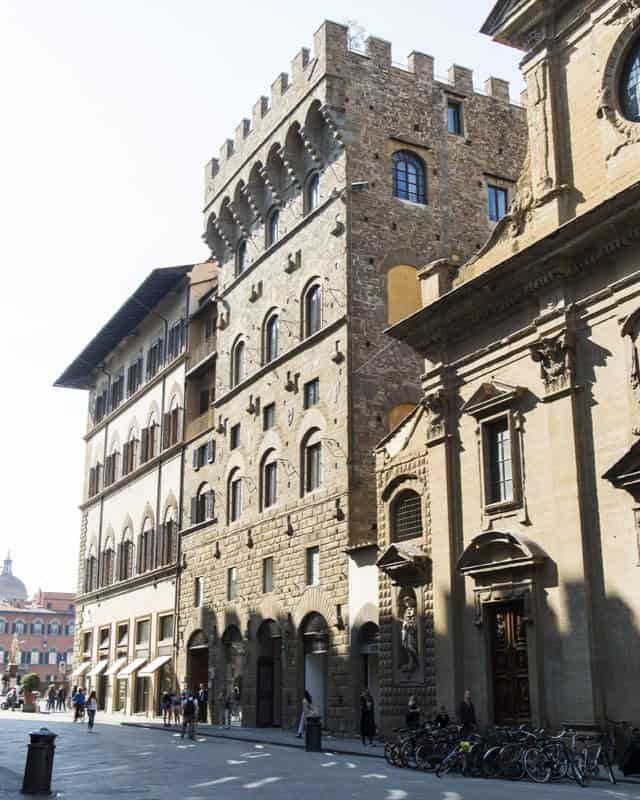
Today, Antica Torre Via Tornabuoni offers unparalleled panoramic views of Florence from every corner, inviting guests to contemplate the city as generations of nobles and artists once did. Located on Via Tornabuoni, one of the most prestigious streets for luxury shops, it combines history, design, and elegance in a single place.
Palacio Manco Capac, Cusco
Centuries of preserved historical heritage
Perched on San Cristóbal Hill, Palacio Manco Capac is much more than a boutique hotel: it is a journey through the history of Cusco. Its roots date back to the 13th century, with a pre-Hispanic palace attributed to Manco Capac, founder of the Inca Empire, whose stone foundations still support the property and preserve the spirit of the city’s first dynasty.
.thigh.jpg)
.thigh.jpg)
 (1).thigh.jpg)
 (1).thigh.JPG)
During the colonial period, the residence was transformed into an elegant palace under the direction of one of the first Incas to be incorporated into Spanish rule, whose influence can still be felt in the San Cristóbal neighborhood. In the 19th century, the estate passed into the hands of an Italian entrepreneur who introduced electricity and industry to Cusco, consolidating the residence as a symbol of republican modernity.
In 2014, Ananay Hotels carried out a restoration project that honored these multiple layers of history. Original elements were preserved—from Inca stonework to colonial architecture—while contemporary materials and design were introduced, adding comfort and elegance without breaking with the building’s historic essence.
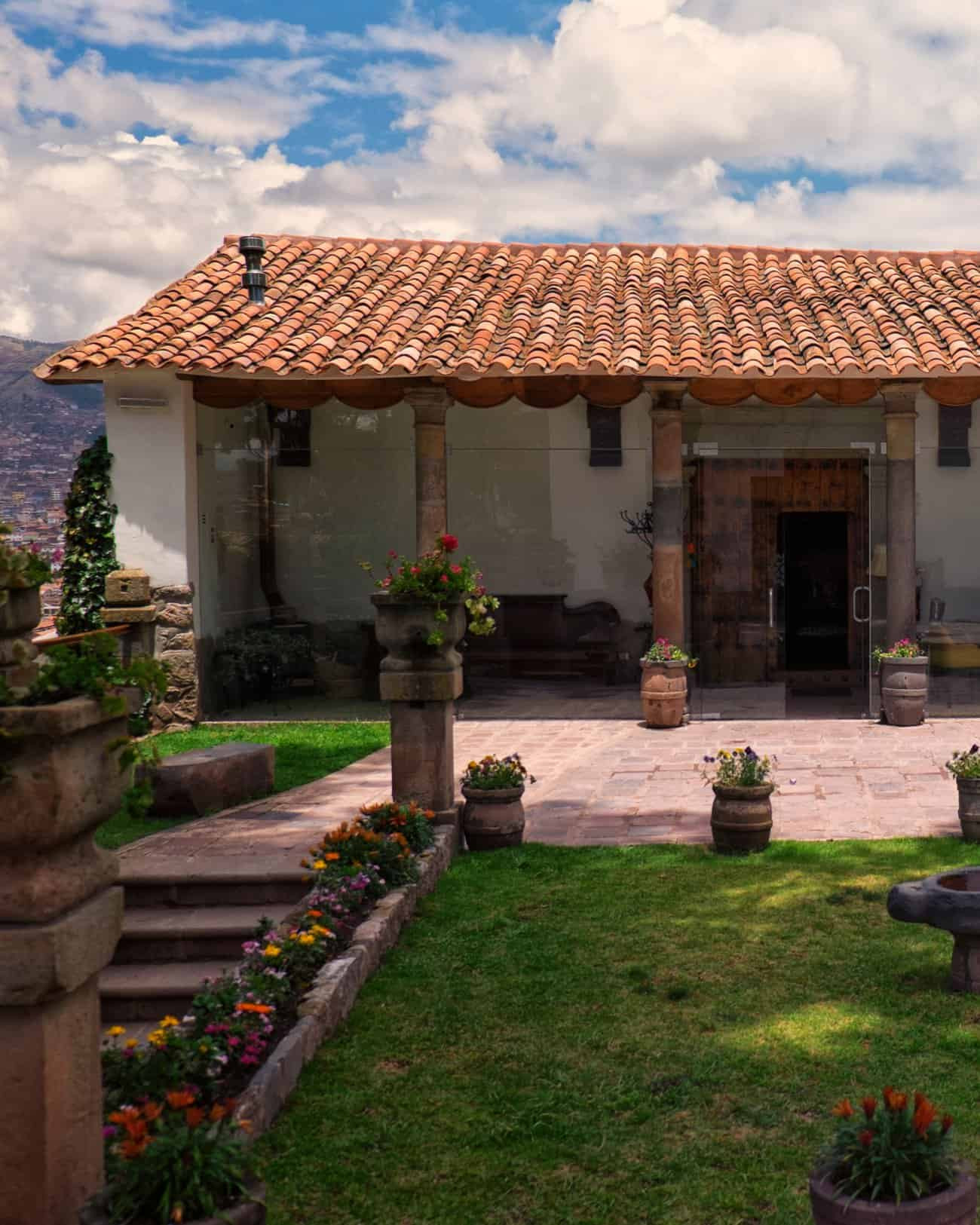
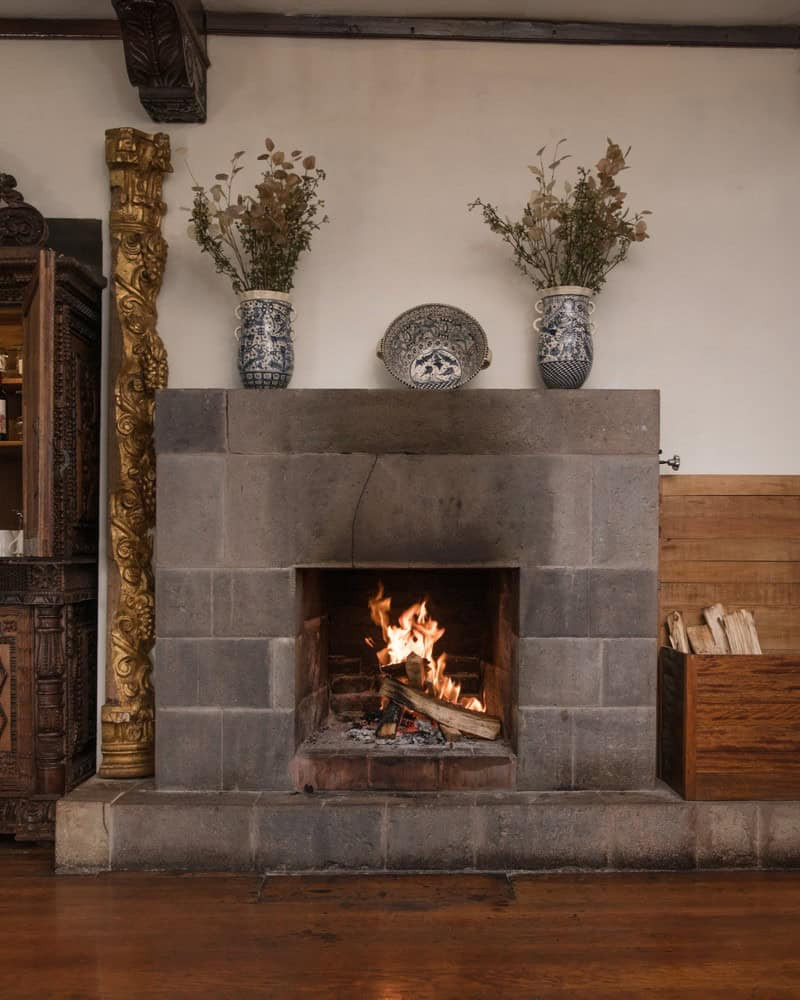
Today, the hotel consists of two distinct houses with twenty carefully designed rooms. One evokes the elegance of the 19th century, while the other blends 20th-century influences with a contemporary approach. All spaces feature warm textures, refined details, and an atmosphere of quiet luxury that allows guests to feel part of history without giving up modern comfort.
Date: June 04, 2026
Related stories
.thigh.jpg "Maison Particulières by Jacques Garcia")
Design-driven hotels: redefining luxury through interior design
Art & Design | May 12
Hotels where the details speak of the destination
Art & Design | Jun 18
Next story
Hotels where the details speak of the destination
Art & Design | Jun 18