
Mediterranean villages, hidden coves and the diverse landscapes of the Costa Blanca, paired with a distinctive Domus Selecta hotel from which to explore them all.
Costa Blanca: Your Guide to the Mediterranean
By: Domus Selecta
The Costa Blanca is one of those corners of Spain where the Mediterranean is experienced at its closest. Between whitewashed villages, historic old towns, secluded coves with crystal-clear waters and landscapes shaped by the sea, Alicante’s coastline invites visitors to slow down and discover a different perspective at every stop.
In this guide, we bring together some of our favourite places to explore along the Costa Blanca, with one of Domus Selecta’s most charming hotels as the perfect base from which to discover the region in depth and experience its Mediterranean character.
 (1).thigh.jpg)
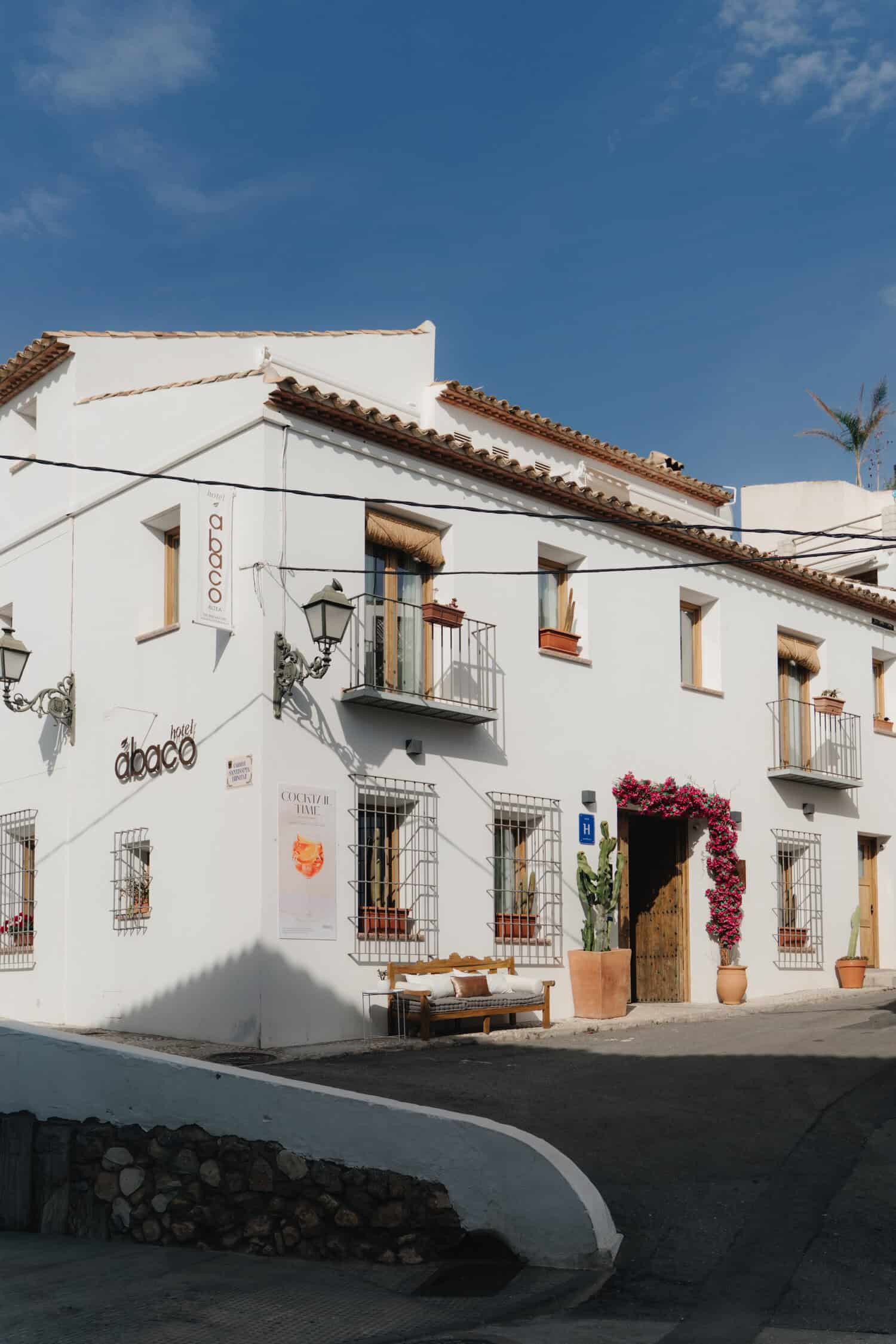
Hotel Ábaco Altea
The Perfect Base for Exploring the Costa Blanca
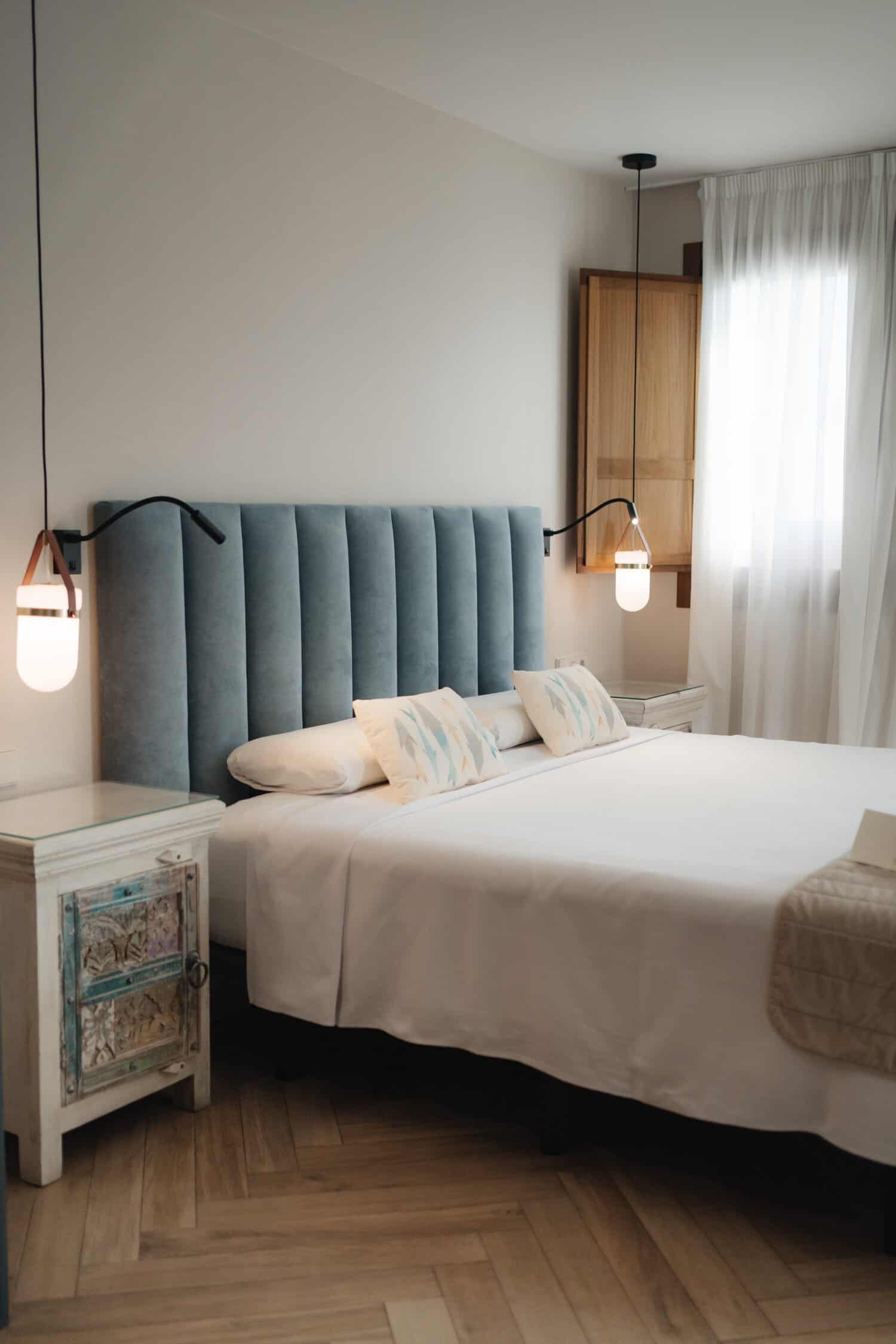
Set in the heart of Altea’s old town, Hotel Ábaco Altea occupies an 18th-century bakery and an iconic local bar that served as a neighbourhood meeting point for many years. Today, these historic spaces have been transformed into a boutique hotel with a character all its own, where traditional architecture and modern comfort come together in a warm and welcoming setting.
The rooms are spread across these historic buildings and several nearby houses, carefully integrated into the streets of the old town. Each space preserves the charm of the area’s traditional architecture while incorporating contemporary touches. The terrace, with views over Altea’s rooftops, is an inviting spot to pause for a coffee or a glass of wine. The hotel also features a cosy breakfast area and wellness experiences, including relaxing massages and treatments.
After a day spent exploring the Costa Blanca’s villages, coves and coastal landscapes, Ábaco Altea is a place to return to, where guests can unwind and enjoy the peaceful atmosphere of the old town.
Altea
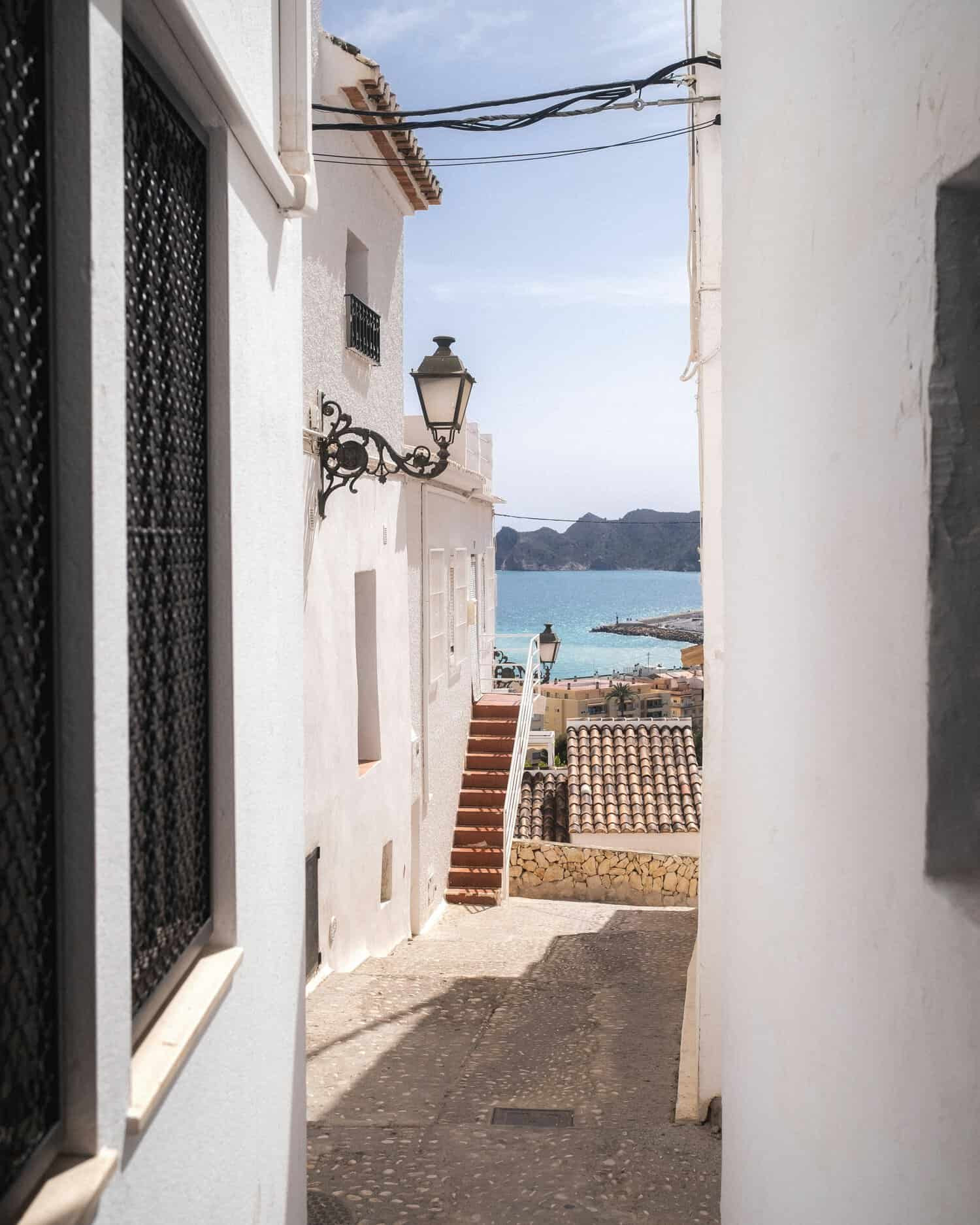
One of the Costa Blanca’s most recognisable towns, Altea has preserved the character of a traditional Mediterranean village, shaped by its maritime heritage and a strong artistic tradition.
What to see and do in Altea:
- Altea Old Town: Cobbled streets and whitewashed houses with viewpoints overlooking the Mediterranean.
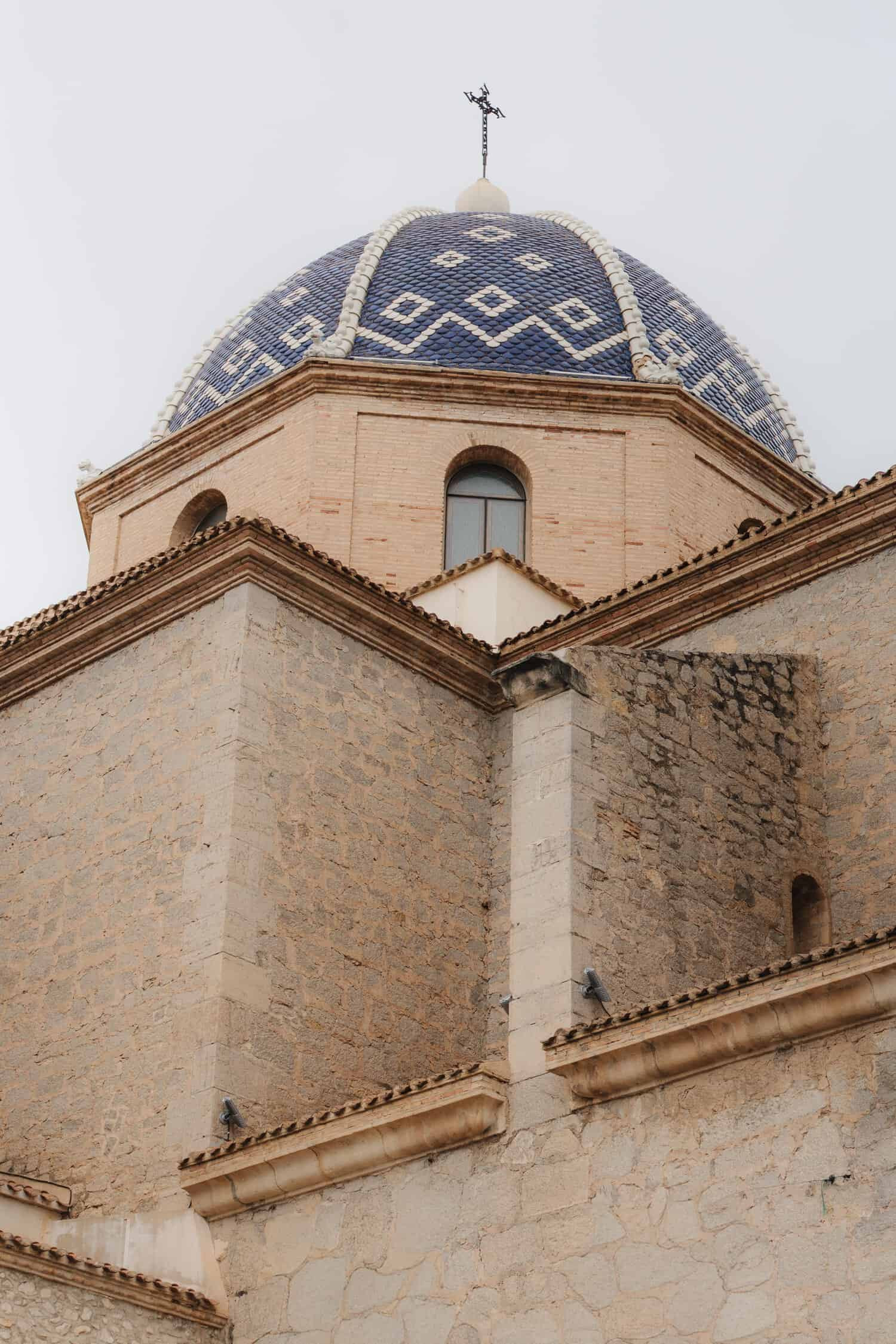
- Church of Our Lady of Consolation: The town’s iconic blue-domed church, perched at the highest point of the old town.
- Calle Mayor: One of the most emblematic streets in the historic centre, lined with shops, galleries and cafés.
- Cap Negret: A striking coastal landscape of rock and sea, offering a quieter alternative to the centre of Altea.
- The seafront promenade: A pleasant walk along the Mediterranean, bordered by restaurants and outdoor terraces.
- Nearby beaches and coves: Including Cala del Soio and Cala Mascarat.
Tabarca Island
The only inhabited island in the Valencian Community, Tabarca is a small getaway just off the coast of Alicante, known for its peaceful atmosphere, crystal-clear waters and protected natural surroundings. Its compact historic quarter, swimming spots and local cuisine make it an ideal destination to explore at a leisurely pace.
What to see and do in Tabarca:
- The village and its fortifications: Stroll through the small historic centre and the old defensive walls that surround part of the island.
- The Church of Saints Peter and Paul: One of Tabarca’s most important historic landmarks.
- The marine reserve: A protected area renowned for its clear waters, perfect for swimming and snorkelling.
- The coastline and coves: Discover the island’s bathing areas and rocky shoreline.
- Caldero Tabarquino: Sample one of the island’s most traditional dishes, a local fish and rice speciality.
- Arriving by boat: Tabarca is typically visited as a day trip, with regular boat connections from several points along the Alicante coast.
.thigh.jpg "Tabarca Island - Costa Blanca")
.thigh.jpg "Tabarca Island - Costa Blanca")
Villajoyosa
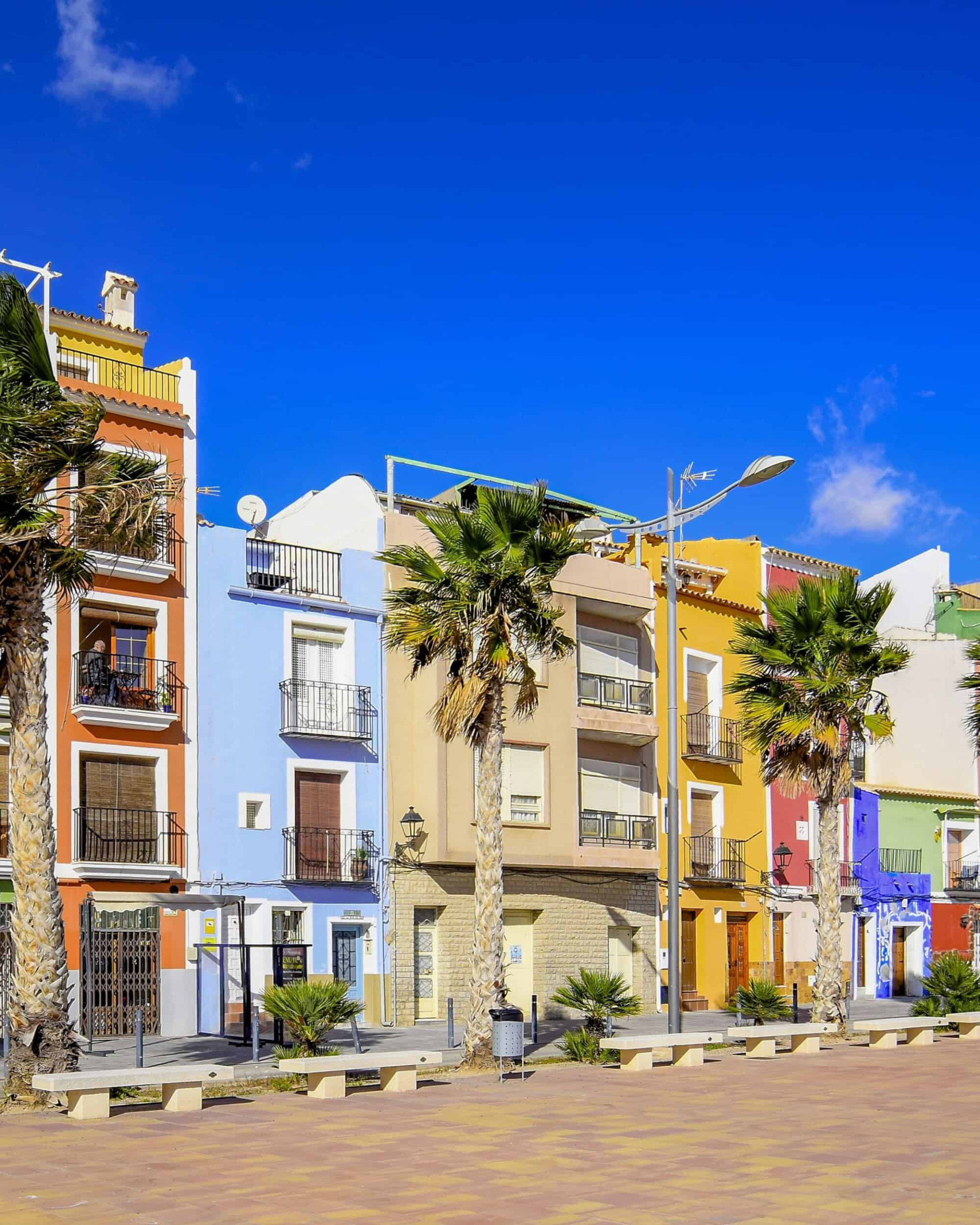
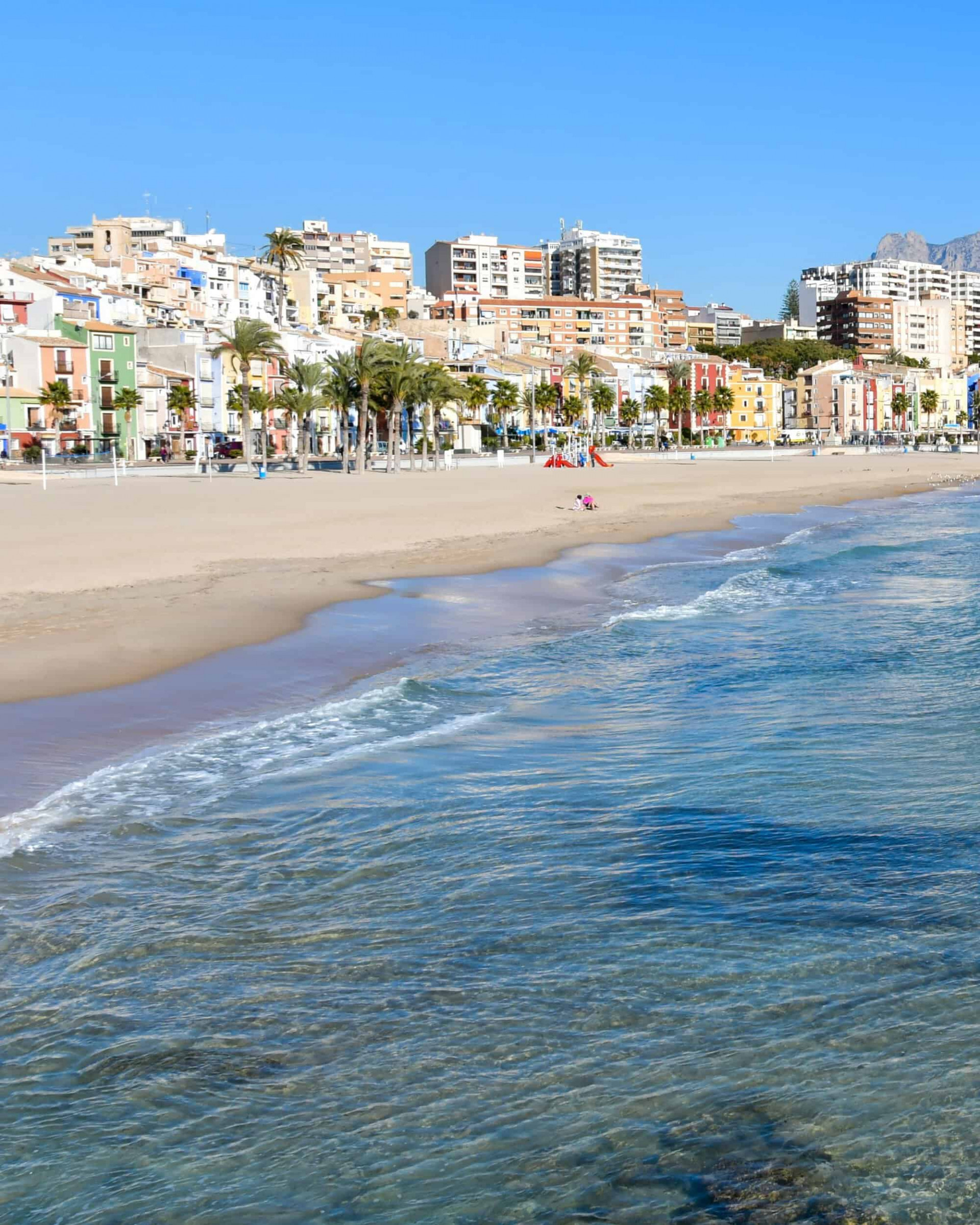
Just a few kilometres from Alicante, Villajoyosa is known for its colourful seafront houses and its long-standing traditions of fishing and chocolate making. Its historic centre and palm-lined promenade are among the town’s main attractions, while its beaches complete the coastal setting.
What to see and do in Villajoyosa:
- The colourful houses: Lining the seafront, these vibrant façades are one of Villajoyosa’s most iconic sights and give the promenade its distinctive character.
- The old town: Wander through narrow streets, traditional houses and the remains of the former town walls, which offer a glimpse into the town’s past.
- The seafront promenade: A pleasant waterfront walk, perfect for admiring the colourful façades and enjoying the cafés and terraces along the way.
- Villajoyosa’s chocolate heritage: Visit local chocolate museums and workshops to discover the history behind some of the town’s most renowned brands.
- The beaches: Playa Centro, located beside the town centre, together with nearby beaches and coves, makes it easy to combine sightseeing with time by the Mediterranean.
Calpe
Calpe is one of the Costa Blanca’s most recognisable destinations, thanks to the Peñón de Ifach, a striking rock formation that rises above the Mediterranean and dominates the surrounding landscape. At its feet, the town combines a historic old quarter, a lively seafront promenade and sandy beaches with views of one of the most iconic landmarks on the Alicante coastline.
What to see and do in Calpe:
- Peñón de Ifach: The town’s defining landmark. The hiking trail to the summit offers the chance to discover its rich natural environment and enjoy panoramic views of the coastline.
- The old town: A maze of narrow streets, colourful façades, murals and historic corners that reflect Calpe’s character and heritage.
- Plaza de la villa and the old church: Two of the most representative spots in the historic centre, offering insight into the town’s local heritage.
- Las Salinas de Calpe: A saltwater lagoon located next to the town centre, known for its birdlife, including flamingos.
- The seafront promenade and fishing port: A waterfront walk lined with restaurants and terraces, with excellent views of the Peñón de Ifach.
- Beaches and Coves: La Fossa Beach offers privileged views of the Peñón, while Cala del Racó provides a more rugged setting with crystal-clear waters.
.thigh.jpg "Calpe - Costa Blanca")
.thigh.jpg "Calpe - Costa Blanca")
Date: October 28, 2026
Related Stories

The Most Charming Neighborhoods of Paris: What to See, Do, and Where to Stay
Travel Guide | Dec 31

Tulum Travel Guide: Discover Mayan Ruins, Cenotes and Boutique Hotels
Travel Guide | Apr 15
.thigh.jpg)
A road trip through Southern Italy
Travel Guide | Aug 06